
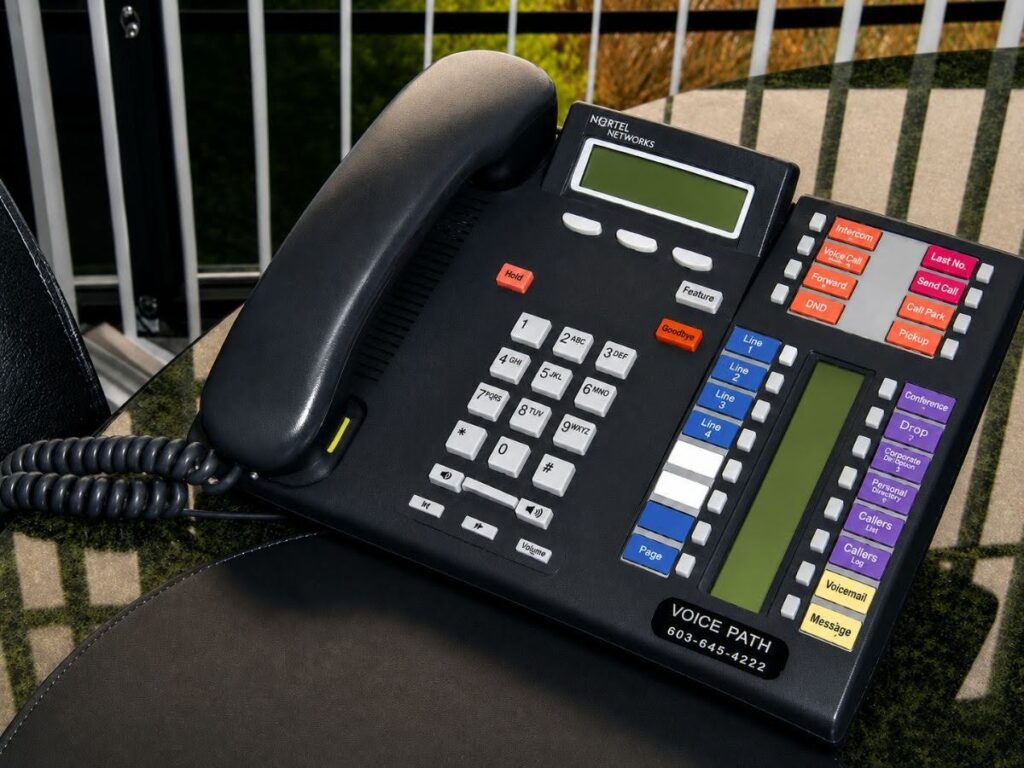
How to Choose the Right Nortel Telephones for Your Business
Choosing the right nortel telephones starts with understanding how your business communicates each day. The right telephone should match your existing equipment, support daily tasks, and provide dependable performance for employees who rely on clear and consistent communication.
Every business has different communication requirements. Some employees spend most of their day answering calls, while others only need basic calling features. Taking time to evaluate how each telephone will be used can help you select equipment that supports productivity without creating unnecessary challenges later.
Whether you’re replacing older handsets or thinking about moving away from a large telecommunications provider, VoicePath Convergence Group offers a more personal approach to business communication. If you’ve been frustrated by limited support, unclear pricing, or slow response times from larger providers, choosing a local communications partner can make the transition much smoother.
Understand What a Business Telephone Should Provide
A business telephone is more than a device for making and receiving calls. It supports daily communication between employees, customers, suppliers, and partners. Choosing the right model means looking beyond appearance and considering how it will perform during everyday use.
A dependable telephone should provide consistent call quality, simple navigation, and convenient access to frequently used features. Employees should be able to answer calls, transfer conversations, place callers on hold, and access voicemail without unnecessary delays.
Ease of use is another important factor. A telephone with clearly labeled buttons, an easy-to-read display, and familiar controls can reduce training time while helping employees work more efficiently.
Understanding Nortel Telephone Systems
Before choosing a replacement telephone, it is important to identify the Nortel telephone system your business uses. Many Nortel systems function as a private branch exchange (PBX), allowing businesses to manage internal and external telephone communication efficiently. Different systems support different telephone models, so compatibility plays a key role in selecting the right equipment.
Nortel Norstar
Norstar is a digital business telephone system commonly used by small and medium-sized businesses. It supports a range of Nortel digital telephones and includes features such as voicemail, call transfer, conferencing, and programmable buttons.
Nortel BCM (Business Communications Manager)
BCM is a business communication platform that combines voice services with networking capabilities. It supports compatible Nortel telephones while offering additional communication features for businesses that require greater flexibility.
Nortel Meridian
Meridian is designed for organizations with higher communication demands. It supports multiple users, advanced call handling features, and a wide selection of compatible Nortel telephones for offices with more complex communication needs.
Why Choosing the Right Telephone Matters
Selecting the wrong telephone can create unnecessary interruptions in daily operations. A model that does not support the required features or does not work properly with your existing setup may limit productivity and cause frustration for employees.
Before selecting a replacement telephone, think about how it will be used throughout the workday. Reception staff may require multiple programmable buttons to manage incoming calls efficiently, while general office employees may only need standard calling features.
Planning ahead also allows your business to maintain a consistent communication experience. Choosing equipment that supports both current and future needs helps reduce the likelihood of replacing telephones sooner than expected.
Evaluate Your Current Communication Needs
Before purchasing a replacement telephone, take a close look at how your employees communicate.
Consider questions such as:
- How many employees use desk telephones every day?
- Which features are used most often?
- Do employees regularly transfer calls?
- Is voicemail used throughout the business?
- Are conference calls part of daily communication?
Answering these questions provides a clearer understanding of the features your business truly needs instead of paying attention to functions that may never be used.
It is also helpful to speak with employees who use the telephones most frequently. Their daily experience often provides valuable insight into which features improve efficiency and which challenges should be addressed when selecting replacement equipment.
Compare Features Before Making a Decision
Not every business telephone offers the same capabilities. Comparing available features before making a decision helps ensure the selected equipment supports everyday tasks.
Some commonly requested features include:
- Speakerphone functionality
- Programmable feature buttons
- Multiple line appearances
- Caller identification
- Voicemail access
- Headset compatibility
- Adjustable display settings
- Conference calling support
Rather than focusing on the number of available features, think about which functions employees actually use during a normal workday. Choosing practical features often provides greater long-term value than selecting equipment with capabilities that remain unused.
Think About the Roles Within Your Business
Different employees often require different telephone features depending on their responsibilities.
Receptionists usually benefit from telephones with additional programmable buttons that make it easier to answer, transfer, and manage several incoming calls. Customer service teams may rely on quick access to frequently used features that allow them to assist callers more efficiently.
Managers and supervisors often appreciate larger displays and convenient access to call management functions, while employees handling routine communication may only require standard business telephones with essential calling features.
Matching each telephone to the user’s responsibilities creates a more productive work environment while helping employees perform their daily tasks with greater confidence.
Thinking About Changing Your Business Phone Provider?
Many businesses continue working with the same phone provider simply because changing services seems like a complicated process. However, if you’re no longer satisfied with the level of support or service you’re receiving, it may be the right time to consider another option.
If you’ve found yourself saying, “I’m not happy with Bell,” “Rogers isn’t meeting our expectations,” or “TELUS takes too long to resolve issues,” you’re not alone. Businesses often begin looking elsewhere because they want quicker support, clearer communication, and a provider that understands their day-to-day operations.
Before making a switch, review your communication requirements and existing equipment. Working with a provider that takes time to understand your business can make the transition much smoother while helping you maintain reliable communication.
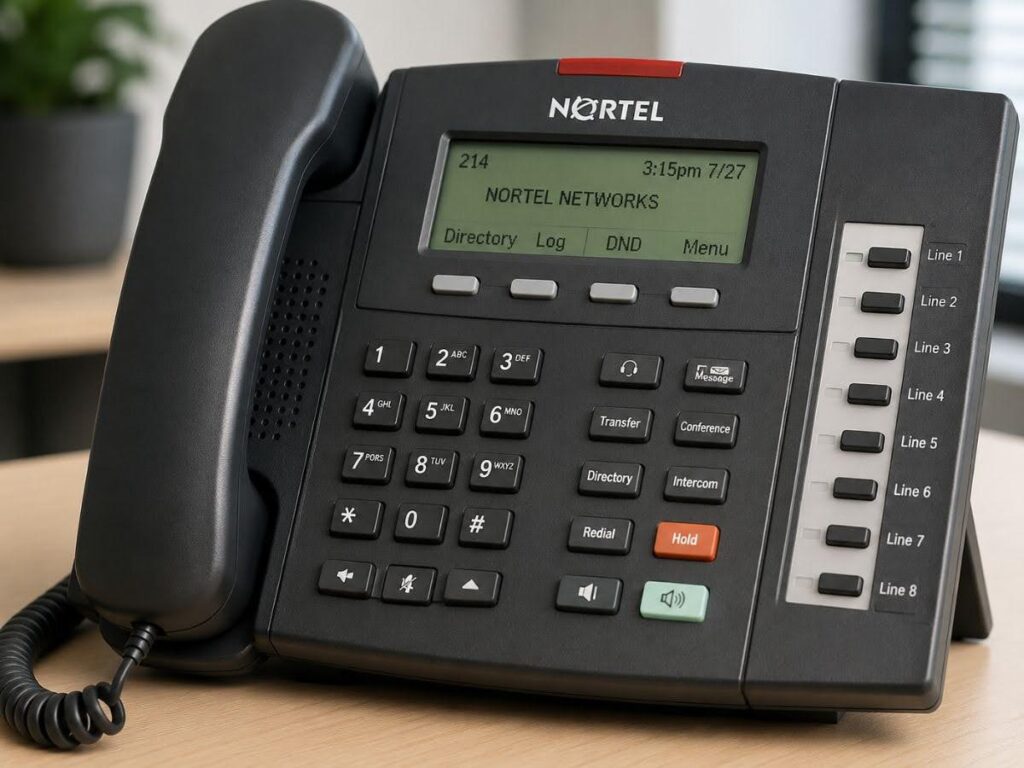
What to Look for in a New Business Phone Provider
Choosing the right business telephone is only part of the decision. The company supporting your communication system plays an important role in your overall experience.
Many businesses become frustrated when dealing with large providers because support can feel impersonal, response times may be slower than expected, and recommendations don’t always reflect the actual needs of the business.
If you’re considering leaving Bell, Rogers, or TELUS, look for a provider that offers responsive customer service, honest recommendations, dependable technical support, and communication solutions designed around your business instead of a standard package.
Common Mistakes to Avoid
Many businesses replace telephones without carefully evaluating their communication needs. Avoiding a few common mistakes can make the selection process much easier.
One common mistake is choosing a telephone based only on appearance instead of functionality. A model that looks similar to an existing phone may not always provide the same features.
Another mistake is overlooking how employees actually use their telephones. Selecting equipment that supports daily responsibilities helps improve communication and creates a better experience for both employees and customers.
Finally, purchasing without confirming compatibility can lead to unnecessary delays. Reviewing your current equipment before making a decision helps ensure a smoother transition.
Signs It May Be Time to Replace Your Telephone
Business telephones naturally experience wear after years of regular use. Recognizing the signs of declining performance allows you to replace equipment before communication problems become more disruptive.
You may want to consider replacing a telephone if you notice:
- Frequent audio quality issues
- Unresponsive buttons
- Display screens that no longer function properly
- Ongoing hardware problems
- Difficulty accessing common calling features
Replacing aging equipment before it fails completely helps maintain dependable communication and supports daily business operations.
Frequently Asked Questions (FAQ)
Choose a model that matches your communication needs and existing equipment.
Professionally tested refurbished telephones can provide reliable performance.
Compatibility helps ensure all essential calling features work properly.
Useful features include speakerphone, voicemail access, and programmable buttons.
Replace a telephone when performance problems begin affecting daily communication.
Conclusion
Choosing the right nortel telephones begins with understanding your communication needs, comparing important features, and selecting equipment that supports your employees’ daily responsibilities. A thoughtful decision helps create a dependable communication experience while reducing unnecessary interruptions.
Before selecting replacement equipment, reviewing your existing nortel telephone systems and confirming compatibility can help ensure your business continues operating efficiently with equipment that supports your day-to-day communication requirements.
If you’re ready for a better business communication experience, VoicePath Convergence Group offers a local alternative for businesses that are no longer satisfied with providers like Bell, Rogers, or TELUS. Whether you’re replacing business telephones or looking for more responsive service, the team is committed to providing clear communication, dependable support, and solutions that put your business first.
