
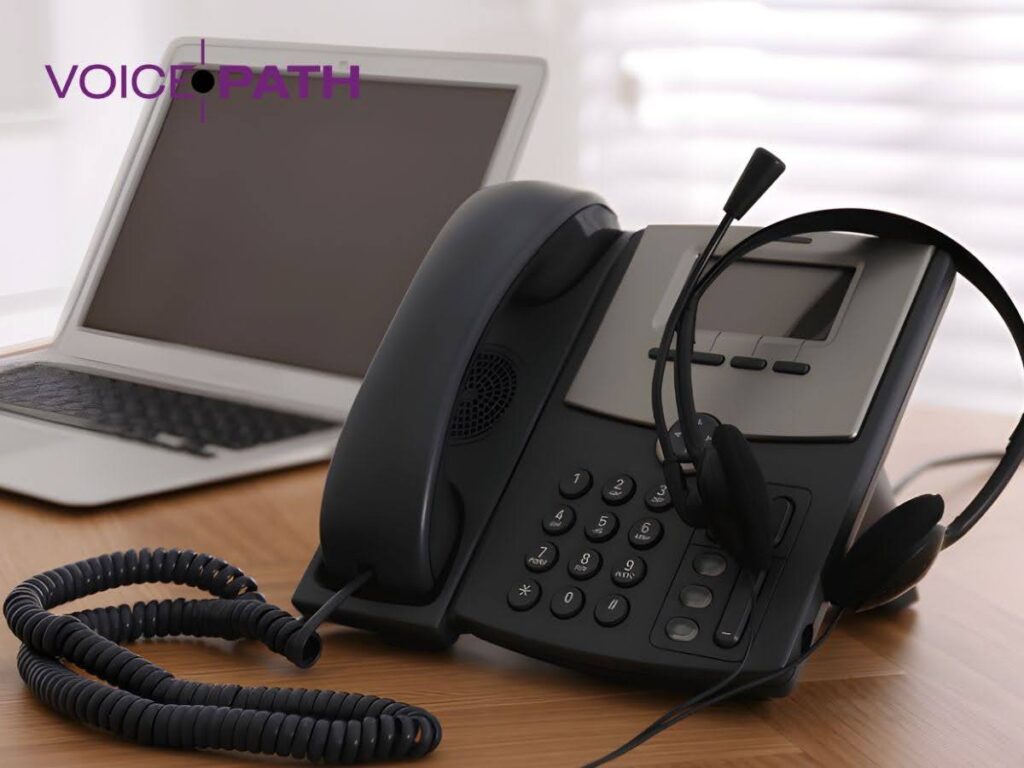
How Meridian Phone Systems Work for Business Users
Communication plays an important role in keeping daily operations running smoothly. A meridian phone system remains a practical choice for business users because it provides dependable call handling and useful communication features. VoicePath Convergence Group helps businesses understand and maintain these systems for everyday communication needs.
Many users continue to rely on familiar office phone systems that support internal and external calls while offering flexibility for changing work environments. Understanding how these systems operate makes it easier to manage communication and keep teams connected.
VoicePath Convergence Group provides support for businesses seeking dependable solutions and practical guidance on communication systems designed for daily use.
Understanding Business Phone Systems
Business phone systems differ from residential telephones because they connect multiple users through a central communication platform. Instead of each telephone working independently, calls are routed through equipment that manages extensions, transfers, voicemail, and other features.
This setup allows employees to communicate efficiently while maintaining an organized flow of incoming and outgoing calls. Staff members can quickly reach coworkers, transfer callers, and access messages without interrupting daily tasks.
Consistent communication helps users remain connected and maintain productivity throughout the day. Effective telecommunications systems also support faster information sharing and improved customer interactions.
How Calls Are Managed
When someone places a call, the communication system directs the call to the proper extension. Incoming calls can be answered directly or routed through designated users.
Several functions work together to support daily communication:
- Extension dialing
- Call transfers
- Conference calling
- Voicemail access
- Speed dialing
- Call forwarding
- Speakerphone communication
These features help users manage conversations efficiently while reducing delays.
Common Telephone Sets Used in Business Environments
Businesses use different telephone sets based on daily communication needs and call activity. Digital and IP telephones provide practical features that help users manage conversations and maintain efficient communication.
Panasonic Telephones
Panasonic telephones are designed with clear audio and user-friendly controls. Models such as the DT-543B, NT-553B, DT-343B, and KX-T7633B support functions like call transfer, conference calling, and directory access.
Nortel Telephones
Nortel telephone sets including the T7208, T7316E, M7310, and M7324 are widely used for everyday communication. They support multiple lines and programmable buttons, making them suitable for users who handle regular call activity.
Fanvil IP Phones
Fanvil phones such as the X210 and X6U are designed for busy professionals. These telephones support multiple SIP lines, programmable keys, and communication features that help users manage calls efficiently.
Toshiba Digital Telephones
Toshiba telephone sets including the DKT2010-SD, DP5022-SD, and DKT3010-SD provide useful features for everyday communication. Users can access speed dialing, caller information, and messaging functions with ease.
NEC Telephones
NEC phones such as the DTL-12-D, DTZ-12D, and DTK-12D are designed for team environments and users who require flexible communication tools. Their display screens and programmable keys help simplify daily tasks.
Avaya Telephones
Avaya telephone sets including the Partner 18-D, Avaya 9508, Avaya 1416, Avaya 5410, and Avaya 9608 support users who manage frequent calls. Their display features and programmable buttons help improve communication throughout the day.
These telephone sets provide features that support call management, voicemail access, conference calling, and efficient communication in daily business operations.
Features That Support Business Users
Office communication systems provide several features designed to simplify conversations and improve accessibility.
Call Transfer
Users can send callers to another extension without disconnecting the conversation.
Conference Calling
Multiple participants can join discussions without requiring additional equipment.
Call Forwarding
Calls can be directed to another extension when users are unavailable.
Speed Dial
Frequently contacted numbers can be reached quickly through programmed keys.
Voicemail
Messages are stored and accessed when users are unable to answer calls.
Display Functions
Information about incoming calls can help users respond efficiently.
These tools help create smoother communication while supporting daily operations.
Managing Telephone Lists and Extensions
Keeping a structured telephone list helps employees locate coworkers quickly. Internal directories often include:
- Employee names
- Extension numbers
- Department information
- Direct lines
- Contact references
Well-maintained extension lists reduce confusion and help improve communication between teams.
Clear telephone directories also support faster responses when calls need to be transferred or forwarded.
Why Businesses Continue Using Established Systems
Many businesses continue using familiar communication systems because they deliver dependable performance. Users appreciate systems that require minimal learning while offering practical features.
Several advantages include:
- Reliable communication
- Familiar controls
- Multiple extension support
- Easy call management
- Practical voicemail functions
- Dependable voice quality
These benefits continue to support daily communication requirements.
Support for Hybrid Work Environments
Modern work arrangements often require employees to communicate from different locations. Business phone systems can support these needs through flexible call management.
Users can maintain communication by using:
- Call forwarding
- Voicemail access
- Conference features
- Multiple extension options
These capabilities help maintain communication even when staff members work outside traditional office settings.
Communication Security Matters
Protecting communication systems remains important for maintaining privacy and reducing disruptions.
Common practices include:
- Managing user access
- Using secure passwords
- Maintaining updated settings
- Monitoring communication activity
These practices help maintain dependable operation while protecting important information.
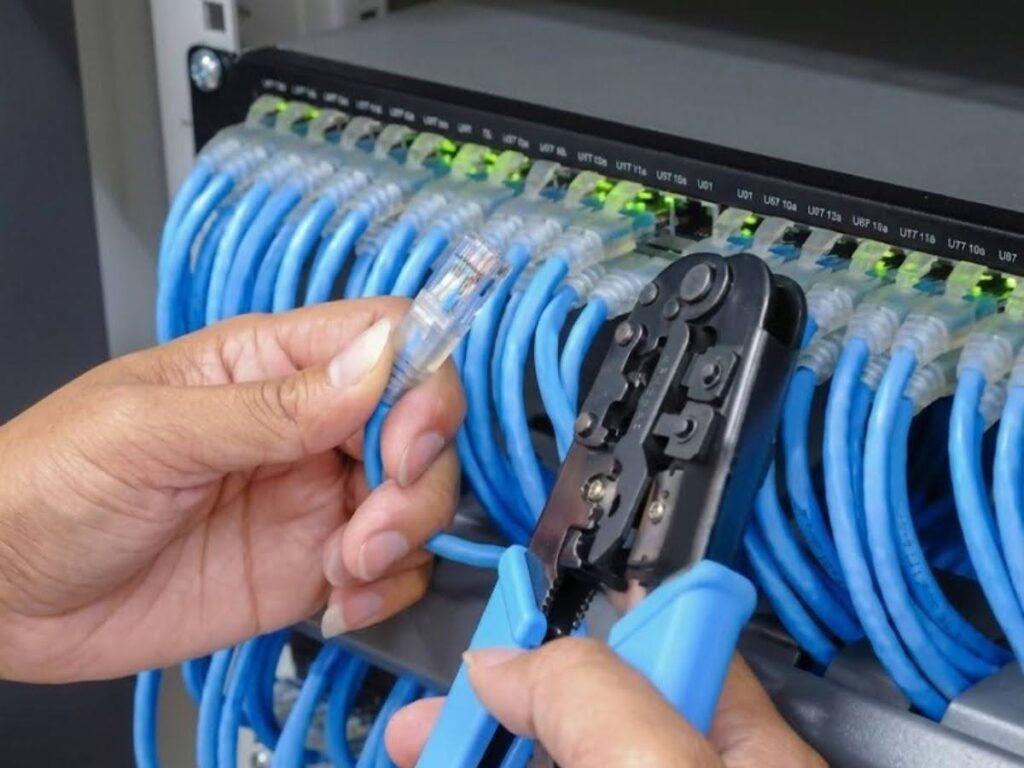
Recognizing Signs That Service May Be Needed
Communication systems occasionally require attention to maintain dependable performance.
Common warning signs include:
- Poor sound quality
- Problems transferring calls
- Voicemail issues
- Extension failures
- Difficulty connecting calls
Addressing these concerns early helps prevent larger disruptions and keeps communication functioning properly.
Choosing the Right Setup for Daily Operations
Different work environments have different communication requirements. Selecting the proper setup depends on factors such as:
- Number of users
- Call activity
- Extension requirements
- Voicemail needs
- Conference capabilities
Understanding these needs helps users select solutions that support efficient communication.
Benefits of Organized Communication
Structured communication provides several advantages for businesses.
These include:
- Faster call handling
- Better customer experiences
- Improved teamwork
- Reduced missed calls
- Easier access to information
Consistent communication helps users remain connected and maintain productivity throughout the day.
Frequently Asked Questions (FAQ)
Calls are directed through a communication platform that controls extensions, transfers, voicemail, and other functions used throughout the day.
Many users rely on call transfer, conference calling, speed dialing, voicemail, and speakerphone capabilities.
Many users prefer systems that provide dependable communication and familiar controls while supporting everyday tasks.
Telephone lists help employees locate coworkers quickly and make call transfers more efficient.
Features such as call forwarding and conference calling help maintain communication when users are working from different locations.
Conclusion
A meridian phone system continues to support business users through dependable call management, voicemail functions, extension handling, and communication tools that help maintain productive conversations throughout the day. Understanding how these systems operate makes it easier to keep communication organized and efficient.
A meridian telephone remains a practical solution for users who value familiar features and reliable performance. Proper setup, organized extension lists, and routine support help maintain smooth communication and reduce interruptions that affect daily operations.
VoicePath Convergence Group provides dependable communication solutions and support for businesses seeking practical office phone systems. Whether you need guidance, maintenance, or assistance with communication features, the team is ready to help with solutions designed for everyday business needs.
